Lakshmi Chalisa: Lyrics, Meaning & Benefits for Wealth
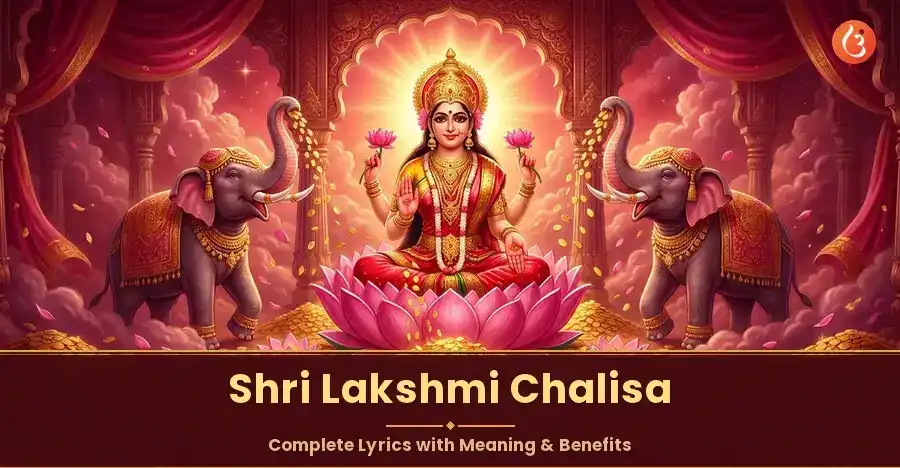
Reciting the Lakshmi Chalisa, a 40-verse devotional hymn, is a powerful practice to invoke Goddess Lakshmi's blessings for wealth, prosperity, and spiritual abundance. According to the Skanda Purana, she is the source of all fortune. This Chalisa distils the essence of her worship into a simple prayer any devotee can recite.
Quick Answer: Lakshmi Chalisa Facts
- What: A 40-verse hymn to Goddess Lakshmi (श्री लक्ष्मी चालीसा) recited to attract wealth and overcome financial hurdles.
- When: Most auspicious on Fridays (Shukravar), especially during the morning or evening twilight hours.
- Why: To remove poverty, clear debts, ensure success in business, and bring peace and harmony to your home.
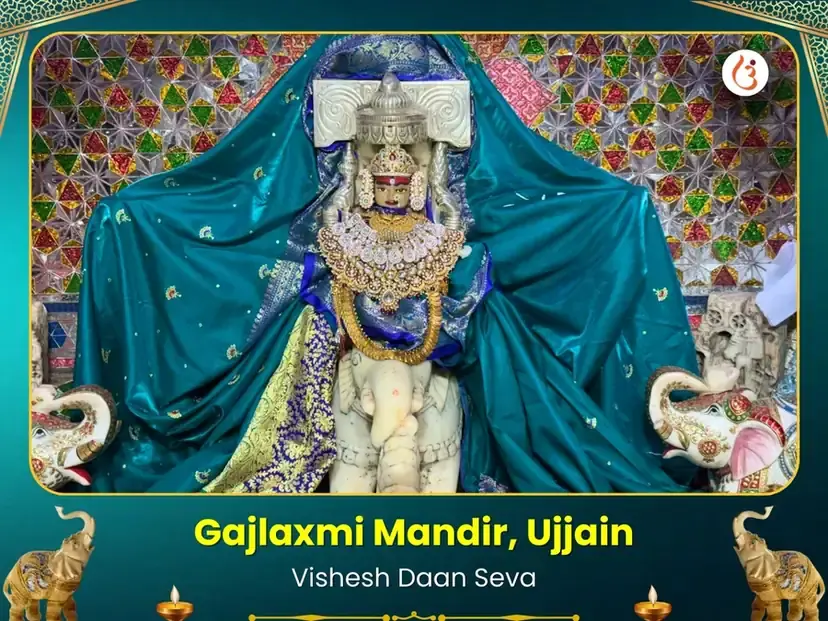
- How to Participate: Amplify the Chalisa's benefits by participating in the 5100 Gaj Lakshmi Puja in Ujjain through Utsav.
Table of Contents
- What is the Lakshmi Chalisa & Why is it So Powerful?
- When is the Best Time to Recite Lakshmi Chalisa?
- How Do You Recite the Lakshmi Chalisa Correctly?
- The Complete Lakshmi Chalisa: Lyrics in English
- What are the Deeper Meanings in the Chalisa?
- What are the Main Benefits of Regular Chanting?
- Amplify Your Blessings with Utsav Pujas
What is the Lakshmi Chalisa & Why is it So Powerful?
The Lakshmi Chalisa isn't just a simple prayer. It's a 40-verse hymn dedicated to Goddess Lakshmi that acts as a direct line to her divine energy. The word "Chalisa" itself comes from chalis (चालीस), meaning forty. Think of it as a spiritual tool designed to tune your consciousness to the frequency of abundance. It praises her eight divine forms (Ashta Lakshmi) and recounts her glorious emergence during the Samudra Manthan.
But why does it work so well? It's all about vibration. Vedic texts teach that specific sound patterns can influence reality, and the Chalisa is a perfectly structured sequence of these sounds. You don't need to be a pandit to use it. Its power lies in its simplicity and the devotion you bring to it, making it one of the most accessible and effective prayers for financial well-being.
When is the Best Time to Recite Lakshmi Chalisa?
Timing is everything. While you can recite the Lakshmi Chalisa any day, certain times amplify its effects dramatically. The most potent day is Friday (Shukravar), as it's dedicated to Goddess Lakshmi. You'll want to aim for the morning, right after your bath, or during the evening twilight (Sandhya). These are sattvic periods when spiritual energies are at their peak.
For devotees seeking specific outcomes, like clearing a major debt, performing a 40-day cycle (a mandala) is a deeply transformative practice. And on major festivals like Diwali, Navratri, or Lakshmi Jayanti, reciting the Chalisa 11 times can unlock immense blessings. You can check the daily auspicious timings on the Utsav Panchang.
How Do You Recite the Lakshmi Chalisa Correctly?
Here’s how you can perform the recitation at home for maximum impact. It’s simple. The most important ingredient isn't rigid ritual but sincere intention (Sankalp).
Simple Puja Vidhi for Recitation
- Purify Yourself: Start by taking a bath and wearing clean clothes. A clean body helps create a clean mind.
- Prepare the Space: Find a quiet, clean corner in your home. Sit on a clean mat (asana) facing East. Place an idol or picture of Goddess Lakshmi before you.
- Light a Lamp: Light a ghee lamp and some incense. The flame represents the divine light dispelling the darkness of ignorance and poverty.
- Make an Offering: Offer fresh flowers (especially red ones or lotus), fruits, or a simple sweet (like kheer or milk) to the Goddess. This is a beautiful gesture of devotion.
- Set Your Intention (Sankalp): Close your eyes. Clearly and silently state your wish to the Goddess. Are you seeking help with a new business? Relief from debt? Just be honest. This is the most crucial step.
- Begin Recitation: Now, recite the Lakshmi Chalisa with a clear, steady voice and focused devotion. Don't rush it. Feel the meaning of the words as you chant.
The Complete Lakshmi Chalisa: Lyrics in English
Here are the complete 40 verses of the Shri Lakshmi Chalisa in English transliteration.
| Doha | |
| Matu Lakshmi Kari Kripa, Karo Hridaya Mein Vaas। | |
| Manokamna Siddha Kari, Puravahu Meri Aas॥ | |
| Chaupai | |
| Sindhu Suta Main Sumirau Tohi। | Jnan Buddhi Vidya Do Mohi॥ |
| Tum Saman Nahi Koi Upakari। | Sab Vidhi Puravahu Aas Hamari॥ |
| Jai Jai Jagati Janani Jagadamba। | Sabake Tumahi Ho Avalamba॥ |
| Tumahi Ho Sab Ghat Ghat Ke Vasi। | Vinati Yahi Hamari Khasi॥ |
| Jagajanani Jai Sindhu Kumari। | Dinan ki Tum Ho Hitakari॥ |
| Vinavaun Nitya Tumahin Maharani। | Kripa Karau Jaga Janani Bhavani॥ |
| Kehi Vidhi Stuti Karaun Tihari। | Sudhi Lijai Aparadh Bisari॥ |
| Kripa Drishti Chitavavo Mam Ori। | Jaga Janani Vinati Sunu Mori॥ |
| Jnan Buddhi Sab Sukh Ki Data। | Sankat Haro Hamare Mata॥ |
| Kshirasindhu Jab Vishnu Mathayo। | Chaudah Ratna Sindhu Mein Payo॥ |
| Chaudah Ratna Mein Tum Sukharasi। | Seva Kiyo Banu Dasi॥ |
| Jab Jab Janma Jahan Prabhu Linha। | Rup Badal Tahan Seva Kinha॥ |
| Svayan Vishnu Jab Nar Tanu Dhara। | Linheu Avadhapuri Avatara॥ |
| Tab Tum Pragat Janakapur Mahin। | Seva Kiyo Hridaya Pulakahin॥ |
| Apanayo Tohi Antaryami। | Vishva Vidit Tribhuvan Ke Svami॥ |
| Tum Sam Prabal Shalini Devi। | Bhagyahin Ke Tumhein Sevayi॥ |
| Manokamna Siddha Karini। | Harati Sakal Dukh Dosh Nivarini॥ |
| Mohi More Ab Binti Sunije। | Apradh Kari Main Kichu Bisarije॥ |
| Dushta Dosh Dukh Dur Karo। | Nirmal Hridaya Kari Vas Karo॥ |
| Nitya Nitya Tum Charan Sevau। | Kripa Karo Jag Janani Bhavani॥ |
| Jo Chalisa Padhe Padhave। | Dhyana Lagakar Sune Sunave॥ |
| Tako Koi Na Roga Satave। | Putra Adi Dhan Sampatti Pave॥ |
| Putra Hina Aru Sampatti Hina। | Andha Badhira Korhi Ati Dina॥ |
| Vipra Bolaya Ke Patha Karave। | Shankha Dila Manavanchhita Pave॥ |
| Chalisa Jo Koi Gave। | Paramapada Turatahi Pave॥ |
| Doha | |
| Trahi Trahi Dukh Harini, Haro Vegi Sab Trasa। | |
| Jayati Jayati Jai Lakshmi, Karo Shatru Ka Nasa॥ |
What are the Deeper Meanings in the Chalisa?
The Lakshmi Chalisa is more than just a plea for money. It’s a profound meditation on the nature of prosperity itself. When the verses say, "Tumahi Ho Sab Ghat Ghat Ke Vasi" (You reside in every being), it's a powerful reminder that abundance isn't an external thing you chase. It's an internal quality you awaken.
Sound familiar? Many devotees get stuck thinking Lakshmi is only about currency. But the Chalisa describes her providing Jnan (knowledge), Buddhi (intellect), and Vidya (wisdom). This is the real secret. True, lasting wealth isn't just financial; it's a holistic state of being that includes wisdom, health, and harmonious relationships. The Chalisa helps you build that complete foundation.
What are the Main Benefits of Regular Chanting?
Regularly chanting the Lakshmi Chalisa can bring about life-changing shifts. It's not magic; it's a spiritual discipline with tangible results. Devotees who commit to this practice often report a wide range of beautiful benefits that go far beyond their bank accounts.
Key Benefits for Devotees:
- Attracts Wealth and Opportunities: This is the most famous benefit. The Chalisa’s vibrations are believed to clear financial blocks and draw new sources of income.
- Removes Debt and Financial Stress: It provides immense mental peace and is said to open pathways to clear long-standing debts. It’s a deeply powerful tool for financial relief.
- Success in Business and Career: Chanting with a clear intention can help you overcome professional obstacles and achieve growth.
- Creates Household Harmony: Lakshmi represents more than just wealth; she embodies auspiciousness. Her presence brings peace and reduces conflicts at home.
- Provides a Protective Shield: The closing verses ask Lakshmi to destroy enemies and remove troubles, creating a shield of divine protection around you and your family.
Amplify Your Blessings with Utsav Pujas
Reciting the Lakshmi Chalisa at home is a beautiful and powerful practice. But you can amplify its effects by pairing your personal devotion with a professionally performed puja at a verified temple. This creates a two-pronged approach to receiving the Goddess's grace. It's the best of both worlds.
When a verified pandit performs a puja on your behalf, chanting your Nama and Gotra, it adds a layer of ritual precision and sacred energy that can accelerate the blessings you seek. You don't have to choose one or the other; you can do both.
Ready to take the next step? You can Participate in the 5100 Gaj Lakshmi Puja at a verified Ujjain temple. After you provide your details in the Sankalp Form, our pandits will perform the puja, and you'll receive a video of the ritual and blessed prasad delivered to your home.
Scriptural References
- Origin of Lakshmi: The emergence of Goddess Lakshmi from the cosmic ocean is detailed in the Vishnu Purana (Book 1, Chapter 9).
- Hymns to Lakshmi: The foundational Vedic hymn praising Lakshmi is the Shri Sukta, found in the Rigveda.
- Lakshmi as Granter of Fortune: The Skanda Purana describes Goddess Lakshmi as the ultimate bestower of wealth, prosperity, and spiritual merit.