Diwali 2026: 5-Day Festival Dates, Lakshmi Puja Muhurat & Vidhi
Diwali's main celebration, Lakshmi Puja, falls on Sunday, November 8, 2026. This powerful festival of lights spans five days, starting with Dhanteras on Friday, November 6, and concluding with Bhai Dooj on Tuesday, November 10. The Skanda Purana highlights the significance of lighting diyas (lamps) during this period to honor Goddess Lakshmi and illuminate the path for ancestral souls. It’s a time for profound spiritual renewal.
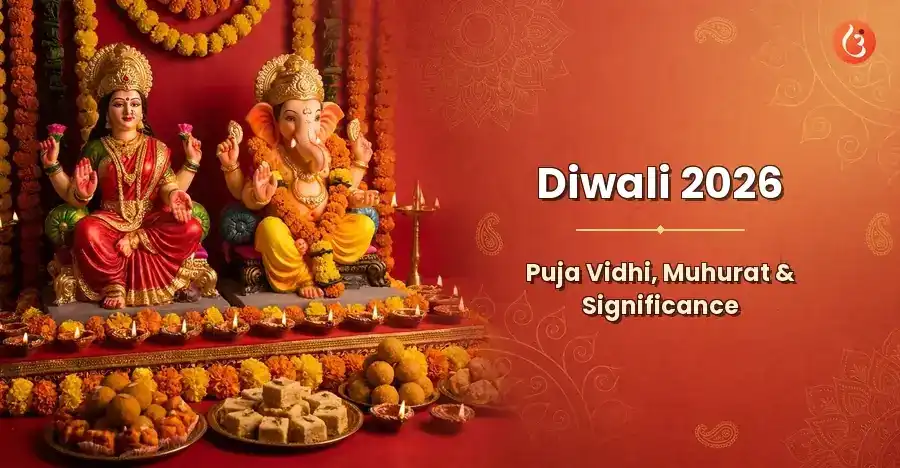
Table of Contents
- Diwali 2026: Lakshmi Puja Shubh Muhurat
- Why We Celebrate Diwali: The Triumph of Light Over Darkness
- The 5 Days of Diwali: Daily Rituals & Significance
- How Diwali Is Celebrated Across India
- Participate in Diwali Pujas on Utsav
- Do's and Don'ts During the 5 Days of Diwali
- How to Prepare for Diwali: A 2-Week Timeline
- Sources & References
Diwali 2026: Lakshmi Puja Shubh Muhurat
Timing is everything for Lakshmi Puja. It's performed during Pradosh Kaal, which starts after sunset and is considered the most auspicious time for the goddess's blessings. The Amavasya Tithi begins at 02:17 PM on November 8 and ends at 12:01 PM on November 9, 2026. You can't afford to miss this window.
Here’s the thing—muhurat times aren't the same everywhere. They change based on local sunset times. So, we've created a city-wise guide to ensure you perform the puja at the most potent moment. What does this mean for you? It means your prayers are perfectly aligned with cosmic timings for maximum benefit.
| City | Lakshmi Puja Muhurat (Nov 8, 2026) |
|---|---|
| Delhi | 05:58 PM to 07:58 PM |
| Mumbai | 06:29 PM to 08:29 PM |
| Varanasi | 05:45 PM to 07:45 PM |
| Chennai | 06:15 PM to 08:15 PM |
| Kolkata | 05:25 PM to 07:25 PM |
For precise local timings, you can always check the Utsav Panchang for November 8, 2026.
Why We Celebrate Diwali: The Triumph of Light Over Darkness
Diwali isn't just about fireworks and sweets. It's a deeply spiritual celebration of good overcoming evil. The most famous story, from the Ramayana, is Lord Rama's triumphant return to Ayodhya after defeating the demon king Ravana. The people of Ayodhya lit rows (avali) of lamps (deepa) to welcome him home, symbolizing light's victory over darkness. It's a beautiful legend.
But the tradition goes even deeper. The Padma and Skanda Puranas describe the lighting of diyas as a way to invite Goddess Lakshmi, the bestower of wealth and prosperity, into our homes. These lamps also serve as a beacon, guiding the souls of our ancestors on their journey. So when you light a diya, you're participating in an ancient, powerful ritual that connects you to both divine forces and your own lineage.
The 5 Days of Diwali: Daily Rituals & Significance
Diwali is a marathon, not a sprint. Each of its five days has a unique energy and purpose, creating a holistic spiritual experience that prepares you for the year ahead. It’s essential to understand what each day represents.
Day 1: Dhanteras (Friday, Nov 6, 2026) - Welcoming Wealth
This is the day of prosperity. Devotees worship Lord Dhanvantari, the divine physician and an incarnation of Lord Vishnu who emerged from the Samudra Manthan (churning of the ocean) with the pot of amrita (nectar of immortality). It's traditional to buy new utensils, gold, or silver, as it's believed that new wealth acquired on this day multiplies. In the evening, a single diya, known as the Yama Deepam, is lit facing south to appease Lord Yama and protect the family from untimely death.
Day 2: Naraka Chaturdashi (Saturday, Nov 7, 2026) - Day of Liberation
Also called Choti Diwali, this day celebrates Lord Krishna's victory over the demon Narakasura, who had imprisoned 16,000 princesses. His defeat freed them and brought light back to the world. The key ritual is the Abhyanga Snan, a holy bath taken before sunrise with ubtan (a paste of herbs and oils). This isn't just about physical cleaning; it's a symbolic act of washing away sins and laziness, preparing you for the main Diwali day.
Day 3: Lakshmi Puja (Sunday, Nov 8, 2026) - The Main Celebration
This is the heart of Diwali. Families gather to worship Goddess Lakshmi for prosperity, Lord Ganesha to remove obstacles, and Goddess Saraswati for wisdom. The house is brightly lit, with every corner illuminated to ensure there are no shadows where negativity can hide. It’s a powerful, life-changing night.
Puja Vidhi: Step-by-Step
1. Sthapana (Setup): Place a red cloth on a raised platform. Create a lotus with rice grains in the center.
2. Kalash Sthapana: Place a kalash (pot) filled with water, a betel nut, a flower, a coin, and mango leaves on the rice. Place a coconut on top.
3. Murti Sthapana: Install the idols of Ganesha and Lakshmi to the right and center of the kalash.
4. Sankalp: Take water in your palm and make a vow (Sankalp) to perform the puja with devotion for the well-being of your family.
5. Puja: Worship Lord Ganesha first with offerings of flowers, kumkum, and sweets. Then, invoke Goddess Lakshmi. Bathe her idol with panchamrit and offer her new clothes, jewellery, and flowers (especially lotus and marigold).
6. Mantra Jaap: Chant the primary Lakshmi Mantra to invoke her blessings.
7. Aarti & Prasad: Conclude the puja by singing the Aarti of Lakshmi and Ganesha. Offer bhog (prasad) and then distribute it among family members.
Key Mantra: Lakshmi Beej Mantra
* Devanagari: ॐ ह्रीं श्रीं लक्ष्मीभयो नमः॥
* Transliteration: Om Hreem Shreem Lakshmibhayo Namah॥
* Meaning: I bow down to Goddess Lakshmi, the embodiment of wealth, prosperity, and auspiciousness. You should chant this 108 times.
Day 4: Govardhan Puja (Monday, Nov 9, 2026) - Honoring Nature
This day celebrates Lord Krishna's feat of lifting the Govardhan Hill to protect the villagers of Vrindavan from the wrath of Lord Indra. Devotees build a small hillock of cow dung or food, representing Govardhan, and worship it. The Annakut ("mountain of food") is prepared with a large variety of vegetarian dishes and offered to the deity. It's a beautiful reminder of gratitude for nature's bounty and divine protection.
Day 5: Bhai Dooj (Tuesday, Nov 10, 2026) - Celebrating Siblings
The festival concludes with Bhai Dooj, a day that honors the sacred bond between brothers and sisters. According to legend, Lord Yama visited his sister, the Yamuna, on this day. She welcomed him with an aarti and tilak. In return, he blessed her and declared that any brother who receives a tilak from his sister on this day will be protected from all evils. It’s a powerful celebration of family love.
How Diwali Is Celebrated Across India
While the essence of Diwali is the same, you'll find beautiful regional variations across India. In West Bengal, the main day is dedicated to Kali Puja, a powerful worship of the fierce form of Shakti. In South India, the focus is heavily on Naraka Chaturdashi, celebrating Krishna's victory with firecrackers and special sweets. Down in Maharashtra, Diwali starts with Vasu Baras, a celebration honoring cows. It's not a monolith; it's a rich tapestry of devotion.
Participate in Diwali Pujas on Utsav
Want to ensure your Diwali prayers are performed with perfect Vedic accuracy but don't have the time or expertise? You can participate in special Diwali pujas performed by verified pandits at sacred temples. It's incredibly simple.
How it works:
1. You select the puja you wish to participate in and provide the Dakshina.
2. You'll fill out a Sankalp Form with your name, gotra, and specific prayer or wish.
3. The pandit will perform the puja, chanting your details during the Sankalp.
4. You receive a video of the puja via WhatsApp within a few days.
5. Authentic temple prasad is then shipped directly to your home.
Don't let this powerful time pass you by.
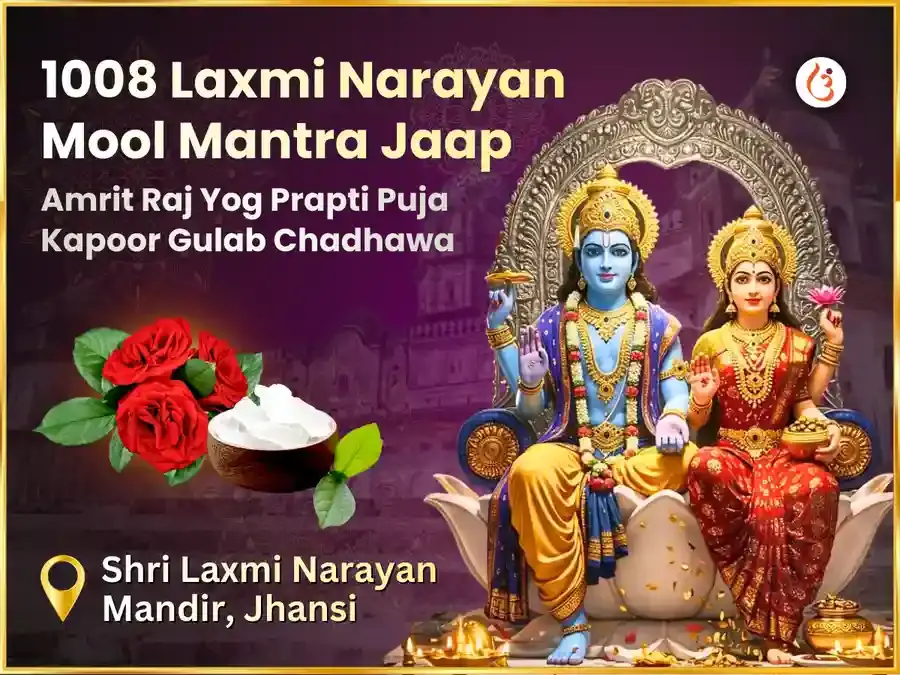
- Diwali Special Laxmi Narayan Amrit Raj Yog Prapti Swarna Abhishek Puja: A special puja designed to invoke the combined blessings of Lakshmi and Narayan for wealth and well-being. Dakshina starts from ₹851.
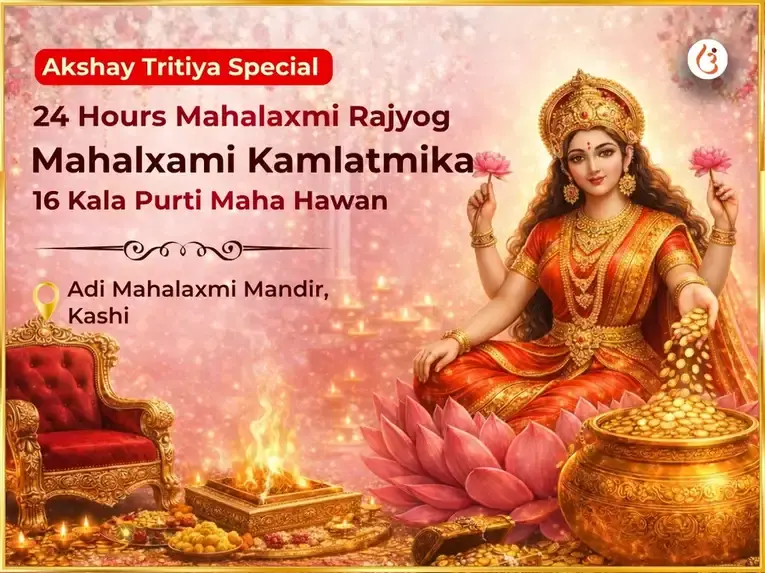
- Akshay Tritiya Special 24 Hours Mahalaxmi Hawan: Participate in a powerful, day-long fire ceremony dedicated to Goddess Mahalakshmi for inexhaustible prosperity.
Do's and Don'ts During the 5 Days of Diwali
To make the most of this auspicious period, there are certain practices you should embrace and others you should avoid. It's not about superstition; it's about creating a sattvic (pure) environment to attract positive energy.
Do's:
- Clean Everything: A clean home is believed to attract Goddess Lakshmi.
- Decorate Your Entrance: Use rangoli, torans (door hangings), and diyas to welcome positive energy.
- Donate: Give to the poor and needy. Charity performed during Diwali is said to yield immense merit.
- Prepare Sattvic Food: Cook fresh, vegetarian meals without onion or garlic as offerings.
- Chant Mantras: Regularly chant mantras of Lakshmi and Ganesha.
Don'ts:
- Don't Use Harsh Words: Avoid arguments and maintain a peaceful atmosphere.
- Don't Consume Tamasic Items: Refrain from alcohol, meat, and other tamasic foods.
- Don't Leave the House Dark: Especially on Lakshmi Puja night, ensure your home is well-lit.
- Don't Gamble: While some traditions involve games, excessive gambling is considered inauspicious.
How to Prepare for Diwali: A 2-Week Timeline
Feeling overwhelmed? Don't be. Here’s a simple timeline to help you prepare for the festival without any last-minute stress. Planning is key.
- 2 Weeks Before: Begin a thorough deep clean of your entire house, decluttering and discarding old items. This is the most important step.
- 1 Week Before: Plan your purchases—new clothes for the family, gifts, puja samagri, and decorative items.
- 3-4 Days Before: Start preparing homemade sweets and snacks like ladoos, chaklis, and shankarpali.
- 1 Day Before (Dhanteras Eve): Decorate your home with lights, flowers, and rangoli. Prepare for the Dhanteras puja.
- Diwali Day: Focus entirely on the puja and spending quality time with your family. You've earned it.
Sources & References
Scriptural Authority:
- Skanda Purana & Padma Purana (Significance of lighting diyas in Kartik month)
- Ramayana (Lord Rama's return to Ayodhya)
Panchang & Timing:
- Drikpanchang.com (Verification for 2026 tithi and muhurat timings)
- Utsav Panchang (https://utsavapp.in/panchang)