Kamoda Ekadashi 2026 – Date, Significance, Vrat Rules & Puja Vidhi
Fri - Feb 27, 2026
3 min read
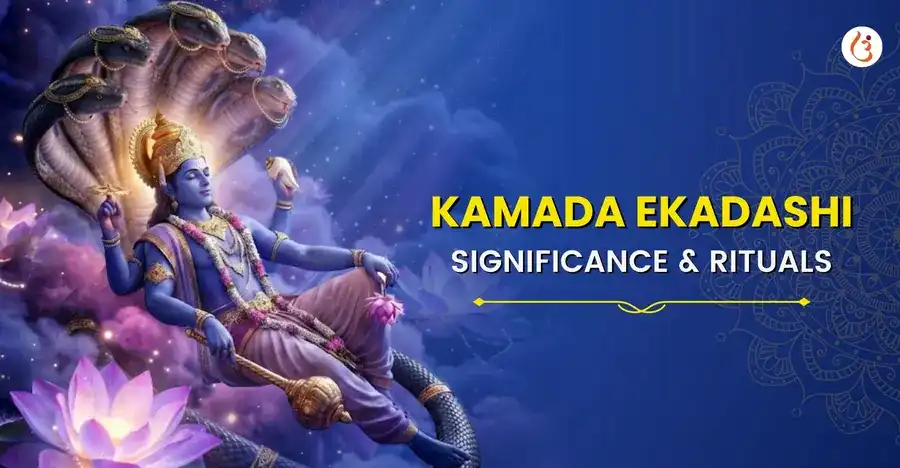
Kamoda Ekadashi, which is one of the most important Ekadashis in Hinduism, falls on the Eleventh day (Ekadashi) of the Shukla Paksha in the month of Chaitra.
Kamoda Ekadashi is dedicated to Lord Vishnu, and it is believed that by observing this sacred day by fasting (and praying) with devotion, seekers are cleansed of their sins, any potential past karma and fulfilled their sincere desires.
Kamoda means "the one who grants desires." By observing this Ekadashi with faithfulness and discipline, it is believed that one will fulfil desires that they have had for a long time. Additionally, it is said that observing this Ekadashi cleanses a person of all their sins, regardless of how serious they are or whether they committed those violations knowingly or unknowingly. Therefore, Kamoda Ekadashi is held in high regard among Hindus for its power to inspire spirituality.
History of Kamoda Ekadashi:
According to ancient religious scriptures, there were two Gandharvas named Lalit and Lalita who lived in a city called Ratnapur. Lalit was known to have a beautiful singing voice that many enjoyed in King Pundarik's palace. One day, while he was singing, he became distracted from his rhythm because he was thinking about his wife and, ultimately, produced an incorrect note, which resulted in a terrible curse from King Pundarik (to become a demon).
Lalita, who was devastated by her husband's curse, contacted Sage Shringi for advice on how to remove it. The sage instructed her to observe Kamoda Ekadashi, a fast that requires complete devotion to Lord Vishnu.
Rituals and Observance
On Kamoda Ekadashi, devotees wake up early to take a holy bath and to make a vow to fast. Devotees will have an idol or image of Lord Vishnu at their home and will worship that statue or image with flowers, tulsi leaves, incense, lamps and fruits. It is also important to recite Vishnu mantras (for example, “Om Namo Bhagavate Vasudevaya”) or to recite Vishnu Sahasranama, which is highly auspicious.
Many devotees will also strictly fast, avoiding grains, but are permitted to drink only water and eat fruit on that day. After the fast is over, on Dwadashi, the next day, the devotee must offer food to Brahmins or to those in need and perform the correct rituals to complete their fast.
Spiritual Value
Kamoda Ekadashi is not just a ritual-fast; it is also an experience of inner purification that will teach us self-discipline, devotion to God, and repentance. By fasting on Kamoda Ekadashi, we hope to remove all obstacles from marriage, create peace between spouses, and give the devotee prosperity and happiness.
Furthermore, the day of Kamoda Ekadashi gives us the chance to spiritually surrender to Lord Vishnu and rely on God as the ultimate judge. On this day, devotees can review their thoughts and behaviours and make an effort to change them so they can continue to live in accordance with righteousness.
Final Thoughts/Conclusion
Kamoda Ekadashi provides great material and spiritual rewards for those participating in this sacred celebration. As such, devotees participate in fasting, praying and providing service to God to purify their souls and obtain everything they desire. Through faith and dedication, Kamoda Ekadashi reminds all of us that we can overcome any challenge through the grace of God.